
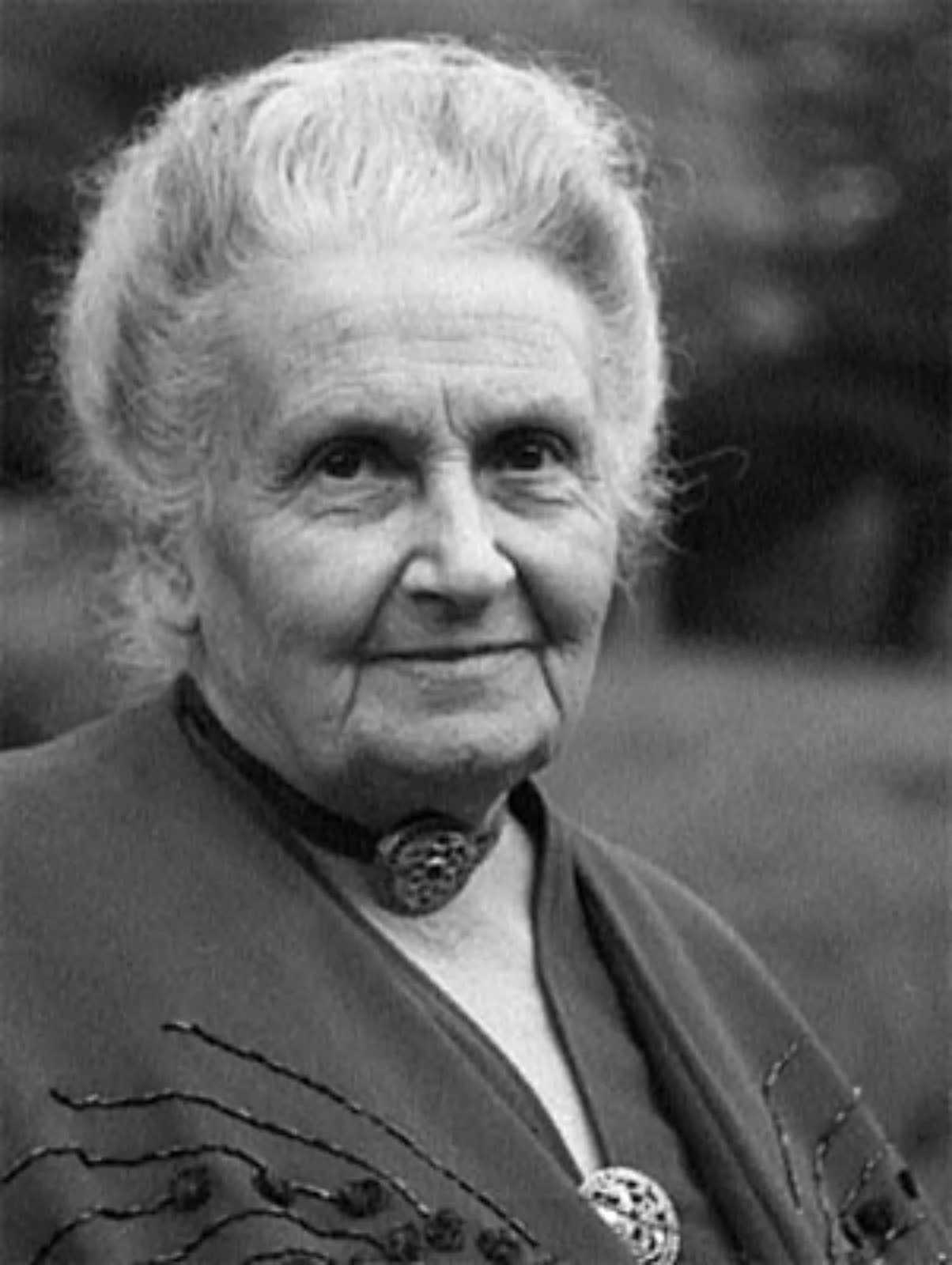
Maria Montessori
Montessori-Inspired Learning
At Nurture and Grow Early Learning Centre in Tamatea, Napier, our childcare programme is inspired by the Montessori philosophy, which recognises that children are capable, curious, and eager to learn from the world around them.
A Montessori-inspired approach encourages children to learn through hands-on experiences, exploration, and meaningful play. Rather than directing every activity, teachers carefully prepare the environment and support children to make choices, solve problems, develop independence, and learn at their own pace.
This approach helps children build important life skills such as confidence, concentration, self-motivation, resilience, responsibility, and a love of learning. Children are encouraged to think for themselves, care for their environment, and develop respectful relationships with others.
By nurturing these skills from an early age, children develop strong foundations that support a successful transition to school and prepare them for lifelong learning. They leave with not only the knowledge and skills needed for their next step but also the confidence and independence to embrace new challenges and opportunities.
At Nurture and Grow, we combine Montessori principles with the learning outcomes of Te Whāriki to create a warm, nurturing environment where every child feels a sense of belonging and is supported to reach their full potential.
The Montessori Approach
Prepared Environment
Carefully prepared learning spaces invite children to explore, make choices, and engage in meaningful learning experiences independently.
Child-led learning
Children are supported to follow their interests, make choices, and learn at a pace that suits their individual development.
Building Skills for Life
Montessori education supports the development of confidence, resilience, independence, and a lifelong love of learning—skills that benefit children at school and beyond.
Hands-on Expereince
Children learn best through doing. Montessori materials provide opportunities to explore concepts through touch, movement, and discovery.
Care for the environment
Children learn to respect and care for their surroundings, fostering a sense of belonging, responsibility, and community.
Independence
Children are encouraged to do things for themselves, building confidence, self-help skills, and a sense of responsibility.
Learning Through Exploration
Children are encouraged to ask questions, investigate, experiment, and discover the world around them.
Practical Life
Activities such as pouring, sweeping, food preparation, and caring for the environment help children develop concentration, coordination, and independence.